
Placing a loved one in a nursing home is one of the most difficult decisions a family in West Michigan can make. We do it out of love, seeking a safe environment where professionals can provide the around-the-clock care we can no longer manage at home. We trust these facilities to treat our parents, grandparents, and siblings with the dignity and respect they deserve.
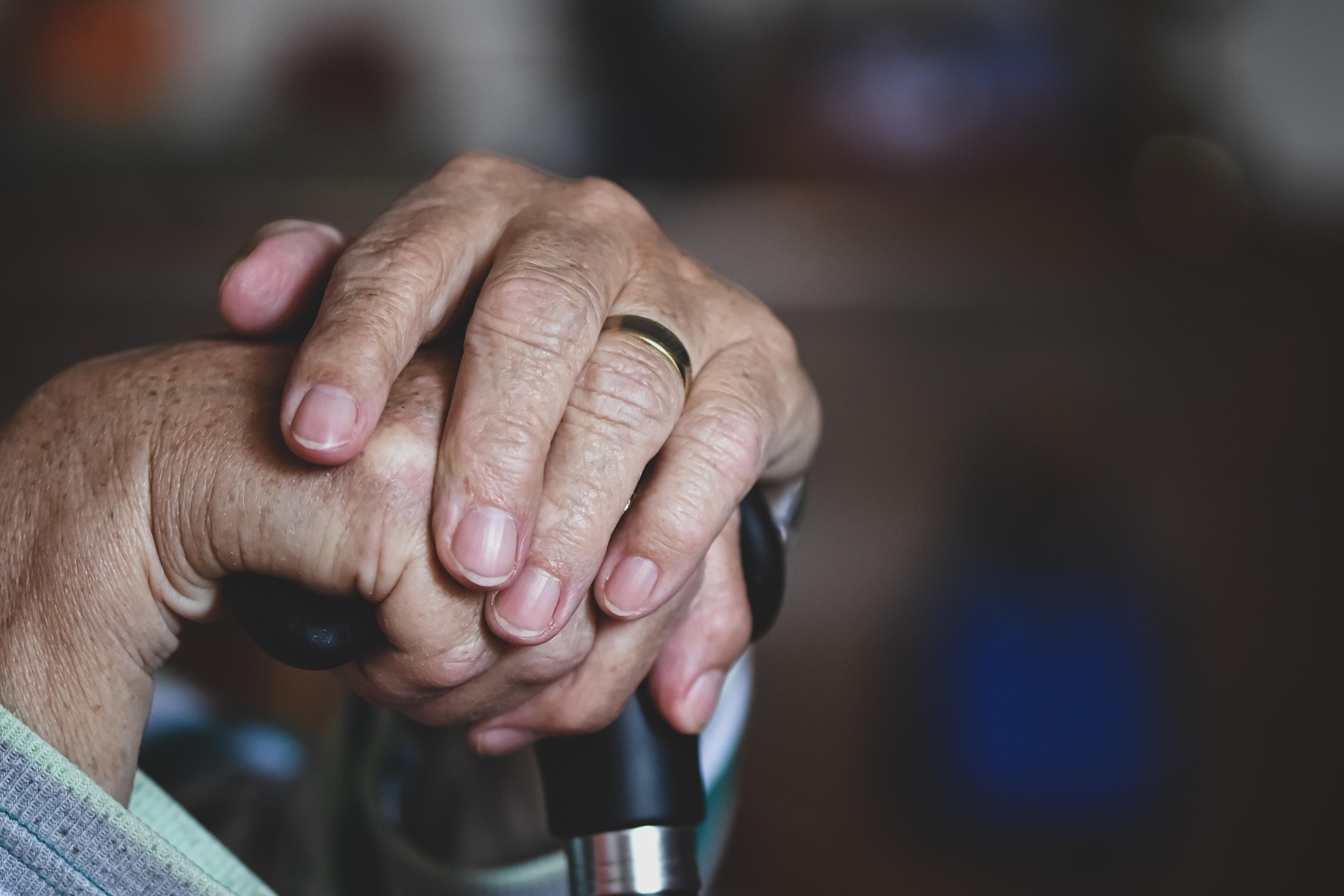
Unfortunately, that trust is sometimes broken. At Third Coast Elder Initiative, we work daily with seniors in Muskegon, Grand Haven, and Spring Lake. We see the beauty of aging with dignity, but we also see the darker side of the industry where oversight fails. Knowing the warning signs of nursing home abuse is not about being paranoid; it is about being an informed advocate for someone who may no longer have a voice to speak for themselves.
Why Nursing Home Abuse Is More Common Than Most Families Realize?
It is a sobering statistic: according to the World Health Organization, approximately 1 in 6 people aged 60 and older experienced some form of abuse in community settings over the past year. In institutional settings like nursing homes, those rates are often reported to be even higher.
In Michigan, our aging population is growing. As facilities face staffing shortages and high turnover, the quality of care can slip. Abuse isn’t always a dramatic, violent act. It is often quiet. It is the resident who is ignored because the staff is overwhelmed, or the senior whose monthly allowance disappears because a caregiver knows they are confused.
Because many residents suffer from dementia or cognitive decline, they may not be able to articulate what is happening, making family vigilance the primary line of defense.
The 9 Warning Signs of Nursing Home Abuse
Understanding these signs requires looking past the surface. At Third Coast Elder Initiative, we encourage families to look for patterns rather than isolated incidents.
1. Physical Signs of Abuse
Physical abuse is the most direct form of harm. While seniors may be prone to occasional bumps as they age, certain marks should raise immediate red flags.
- Symmetrical injuries: Bruises on both wrists or both ankles often suggest the use of physical restraints.
- Unexplained fractures: A broken bone in a non-ambulatory patient (someone who cannot walk) is almost always a sign of dropped transfers or physical force.
- Fingerprint-shaped bruises: Usually found on the upper arms, these indicate a resident was grabbed or shaken.
2. Emotional and Behavioral Changes
If your normally outgoing mother suddenly becomes withdrawn or stops making eye contact, pay attention. Emotional abuse, like shouting, belittling, or isolating a resident, leaves no physical scars but causes immense trauma.
- Fear around specific staff: Watch how your loved one reacts when a particular caregiver enters the room. If they flinch or become suddenly silent, there is a reason.
- Self-soothing behaviors: Rocking back and forth, sucking thumbs, or biting oneself are signs of extreme psychological distress.
3. Signs of Neglect and Poor Care
Neglect is a form of abuse. It is the failure to provide the basic necessities of life. In Michigan nursing homes, neglect often stems from short-staffing, but that is never an excuse.
- Bedsores (Pressure Ulcers): These are almost entirely preventable. If a resident is turned every two hours as required by law, bedsores shouldn’t reach advanced stages.
- Dehydration and Malnutrition: Sunken eyes, extreme thirst, or rapid weight loss suggest that staff are not assisting with meals or providing enough fluids.
4. Medication Errors and Medical Neglect
Medication is a tool for health, but in abusive or neglectful settings, it can be used as a chemical restraint.
- Over-sedation: If your loved one is constantly groggy, zombie-like, or sleeping during visiting hours, they may be being given antipsychotics or sedatives they don’t need simply to make them easier for staff to manage.
- Unmanaged chronic conditions: If a diabetic resident’s blood sugar is consistently erratic, it indicates a failure in medical oversight.
5. Unexplained Injuries or Bruising
We distinguish this from general physical signs because of its unexplained nature.
- Frequent falls: While seniors fall, a high frequency of falls suggests that the facility is not following a fall-prevention plan or that the resident is being left unattended while trying to use the restroom.
- Head injuries: Any bump to the head should be treated as a medical emergency. If the facility didn’t call you immediately when it happened, transparency is lacking.
6. Financial Warning Signs
Financial exploitation is a fast-growing form of elder abuse. As a provider of Conservatorship and Representative Payee services, Third Coast Elder Initiative sees how easily assets can be diverted.
- Missing personal items: Jewelry, electronics, or even clothes disappearing from the room.
- Unexplained bank withdrawals: If someone else has access to their accounts, look for “gifts” or transfers that the resident cannot explain.
- Changes in legal documents: Sudden changes to a will or Power of Attorney made while in a facility are major red flags.
Families concerned about financial exploitation may also find our guide to Smart Elder Financial Management in Michigan: Protecting Assets with Confidence useful.
7. Hygiene and Living Condition Red Flags
A facility’s cleanliness is a direct reflection of its management’s standards.
- Soiled bedding or clothing: No resident should ever be left in soiled diapers or clothes for extended periods.
- Strong odors: A persistent smell of urine or feces in the hallways or the resident’s room indicates a systemic failure in hygiene.
- Unsafe environment: Cluttered hallways, poor lighting, or broken call lights increase the risk of accidents.
8. Staff Behavior and Facility Issues
The way staff interact with you is often a window into how they treat your loved one.
- Refusal to allow private visits: If staff insist on being present during your entire visit, they may be trying to prevent the resident from speaking out.
- Defensive communication: If your questions about a bruise or a missed meal are met with anger or gaslighting, the facility is hiding something.
- High turnover: If you see new faces every week, the lack of continuity makes it impossible for staff to know your loved one’s normal state.
9. Sudden Changes in Mood or Health
When a senior’s health plateaus or declines sharply without a clear medical diagnosis, neglect is often the culprit.
- Loss of interest in activities: Stopping attendance at social hours or communal meals often signals depression or fear.
- Coded language: A resident might not say “they hit me,” but they might say “the people here are mean” or “I’m scared at night.”
What to Do If You Notice These Warning Signs?
If you spot these signs, do not wait. Abuse rarely stops on its own but typically escalates.
- Document everything: Take photos of bruises, bedsores, or messy rooms. Write down dates, times, and the names of staff members on duty.
- Speak to the Nursing Director: Start by bringing your concerns to the administration. If their response is inadequate, move to external authorities.
- Remove the resident if in immediate danger: If you believe their life is at risk, call 911 or arrange for an immediate transfer to a hospital.
How to Protect Your Loved One in a Michigan Nursing Home?
The best protection is a visible presence.
- Vary your visit times: Don’t always show up at the same time. Show up at 8:00 PM on a Sunday or 7:00 AM on a weekday. Facilities that know a family is randomly present are more likely to stay on their toes.
- Participate in Care Plan meetings: You have a legal right to be involved in the development of your loved one’s care plan.
- Build relationships: Get to know the CNAs (Certified Nursing Assistants). They are the ones doing most of the work. A kind word to a hard-working staff member can go a long way in ensuring your loved one gets better attention.
Reporting Nursing Home Abuse in Michigan
If you suspect elder abuse, neglect, or exploitation in Michigan, you can report it to the Michigan Department of Health & Human Services (MDHHS) Adult Protective Services by calling 855-444-3911 at any time. Reports can involve private homes, assisted living facilities, adult foster care homes, homes for the aged, or nursing homes where the suspected abuser is not a staff member.
Mandated reporters, including healthcare workers, social service professionals, law enforcement officers, and other licensed service providers, are legally required to report suspected abuse or neglect. Anyone else can also make a report if they suspect harm to a vulnerable adult.
If the suspected abuse involves a nursing home employee or another resident, contact the Attorney General Health Care Fraud Hotline at 800-242-2873 or the Licensing and Regulatory Affairs (LARA) Abuse Hotline at 800-882-6006.
Michigan authorities investigate cases involving physical abuse, neglect, financial exploitation, and misuse of a resident’s property or benefits. Concerns about financial exploitation in nursing homes can also be reported to the Attorney General’s Health Care Fraud Division.
Practical Steps for West Michigan Families (Spring Lake, Grand Haven, Muskegon, Norton Shores & Fruitport)
Families in Muskegon, Grand Haven, Spring Lake, Norton Shores, and Fruitport have access to specific local resources that can provide an extra layer of protection.
- Muskegon County Resources: Utilize Senior Resources of West Michigan, the local Area Agency on Aging. They offer advocacy and information for residents in Muskegon, Oceana, and Ottawa counties.
- Ottawa County Support: For those in Grand Haven or Spring Lake, the Ottawa County Sheriff’s Office and local senior centers provide education on elder fraud and safety.
- Local Oversight: If you cannot visit as often as you’d like, consider hiring a local fiduciary or geriatric care manager who can perform unannounced wellness checks.
Third Coast Elder Initiative is located at 200 Viridian Drive, Muskegon, MI. For general local context, Spring Lake and Grand Haven are about 14–15 miles from Muskegon (roughly 20 minutes), Norton Shores about 5 miles (about 10 minutes), and Fruitport about 9–11 miles (about 13–15 minutes). Actual travel time to the office varies by starting point and traffic. Get turn-by-turn directions on Google Maps.
How Third Coast Elder Initiative Can Help?
At Third Coast Elder Initiative, we are more than just financial managers; we are advocates. Whether we are serving as a Guardian, Conservator, or Representative Payee, our priority is the safety and dignity of the individual.
We provide:
- Objective Oversight: Because we are a professional third party, we can hold facilities accountable without the emotional exhaustion that often drains family members.
- Financial Protection: We ensure that no one can exploit a senior’s assets.
- Regular Check-ins: Our team is on the ground in Muskegon and the surrounding areas, ensuring that the care promised is the care being delivered.
If you are worried that your loved one isn’t receiving the care they need, or if you need help managing the complex legal and financial aspects of their life, we are here to support you.
If you want to discuss your loved one’s safety, guardianship, or financial oversight needs, contact Third Coast Elder Initiative or call 616-334-8114.
Frequently Asked Questions
Who do I call first if I suspect nursing home abuse in Michigan?
Call the Michigan Department of Health and Human Services (MDHHS) at 855-444-3911 to report suspected abuse or neglect.
Can a nursing home kick my loved one out for complaining?
No, federal and state laws prohibit retaliatory discharge because residents have the right to voice grievances without fear of losing their placement.
What is the difference between a Guardian and a Conservator?
A Guardian makes decisions regarding healthcare and living arrangements, while a Conservator manages the individual’s money and property.
Is emotional abuse considered a crime in Michigan?
Yes, Michigan law protects vulnerable adults from non-physical harm that causes mental anguish or emotional distress.
Next Steps for Concerned Families
The feelings of guilt and worry can be overwhelming, but taking action is the best thing you can do for your loved one. Start by visiting them today. Look closely, ask questions, and trust your gut. If something feels wrong, it probably is.
If you need a professional partner to help manage the safety and affairs of a senior in West Michigan, reach out to us.
Prefer email? Contact connect@thirdcoasttrust.org.
Good to Read
Premium Guardianship Services in Spring Lake, Michigan
When Guardianship Is Needed: Michigan Services Explained
Conservatorship for an Elderly Parent in Michigan: What Families Need to Know
Guardianship Services in Michigan: What Families Need to Know
Disclaimer:
All content on this blog is for general informational and educational purposes only and is provided “as is” without warranty. It does not constitute financial, legal, tax, investment, or any other professional advice.
The author and website owner disclaim all liability for any loss or damage arising from its use. Readers should conduct their own research and consult qualified professionals before making any decisions.